



Systems-thinking for forests
FROM TECHNOLOGY TO FORESTS
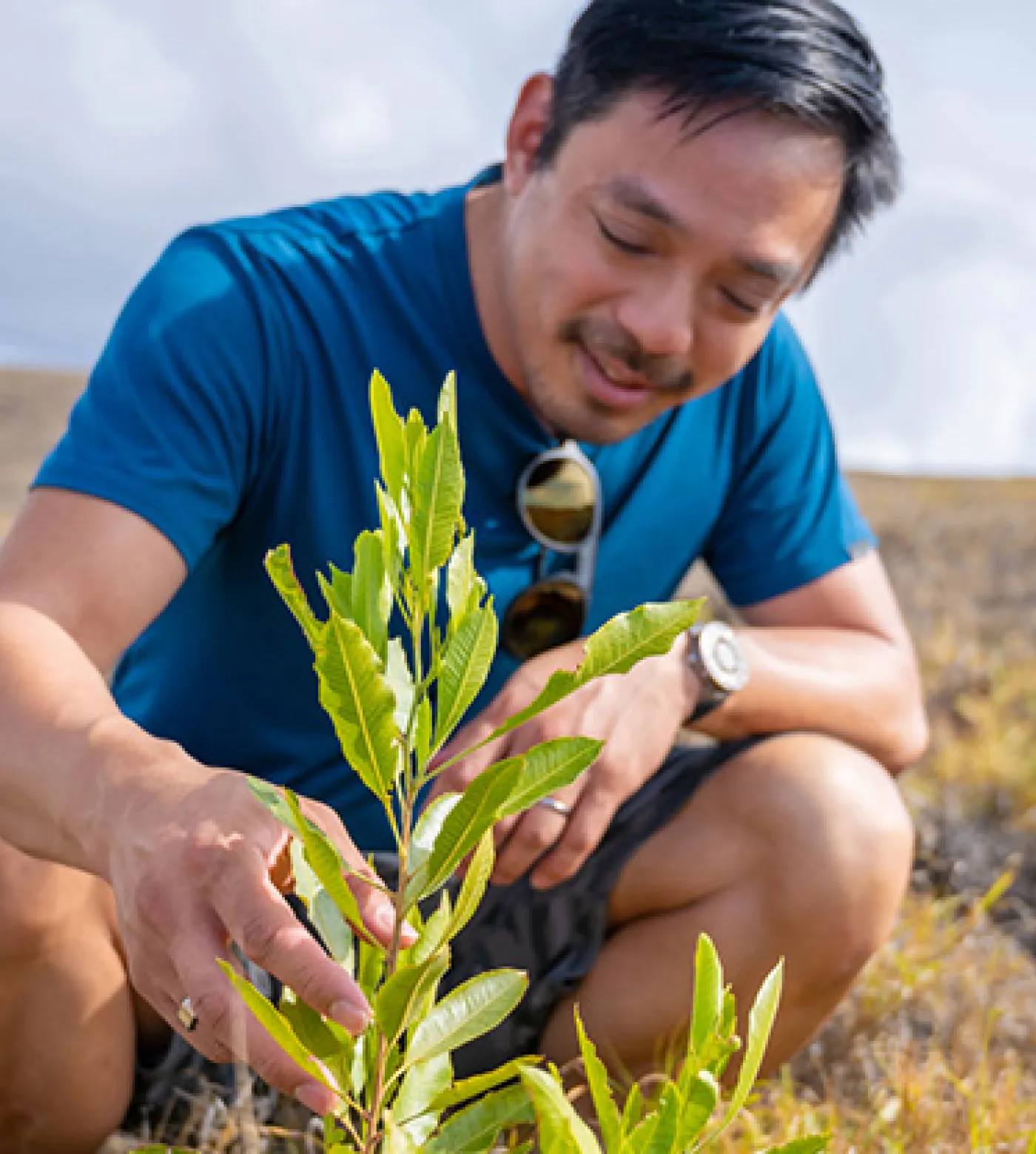
Before Terraformation, Yishan built his career scaling technology, serving as CEO of Reddit and earlier as an engineering leader at Facebook and PayPal. He saw that the systems critical for ecosystem restoration face practical barriers – native seeds are in short supply, water resources are unpredictable, and you need knowledge across disciplines like forestry, carbon, and finance. In 2020, Yishan founded Terraformation and began assembling a team of foresters, scientists, engineers, and business experts to solve those interconnected problems together.
Hands-on restoration experience
LEARNING BY DOING
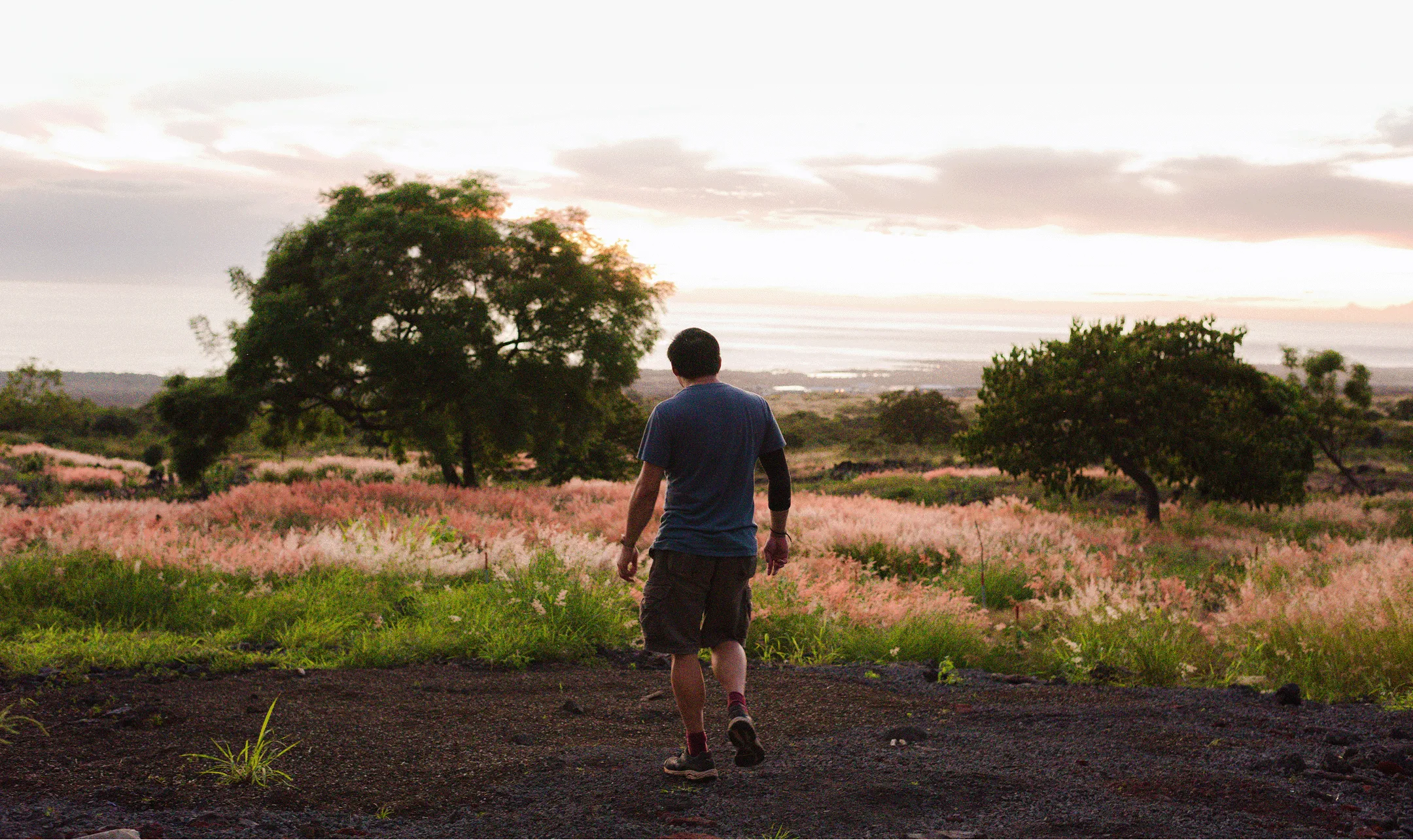
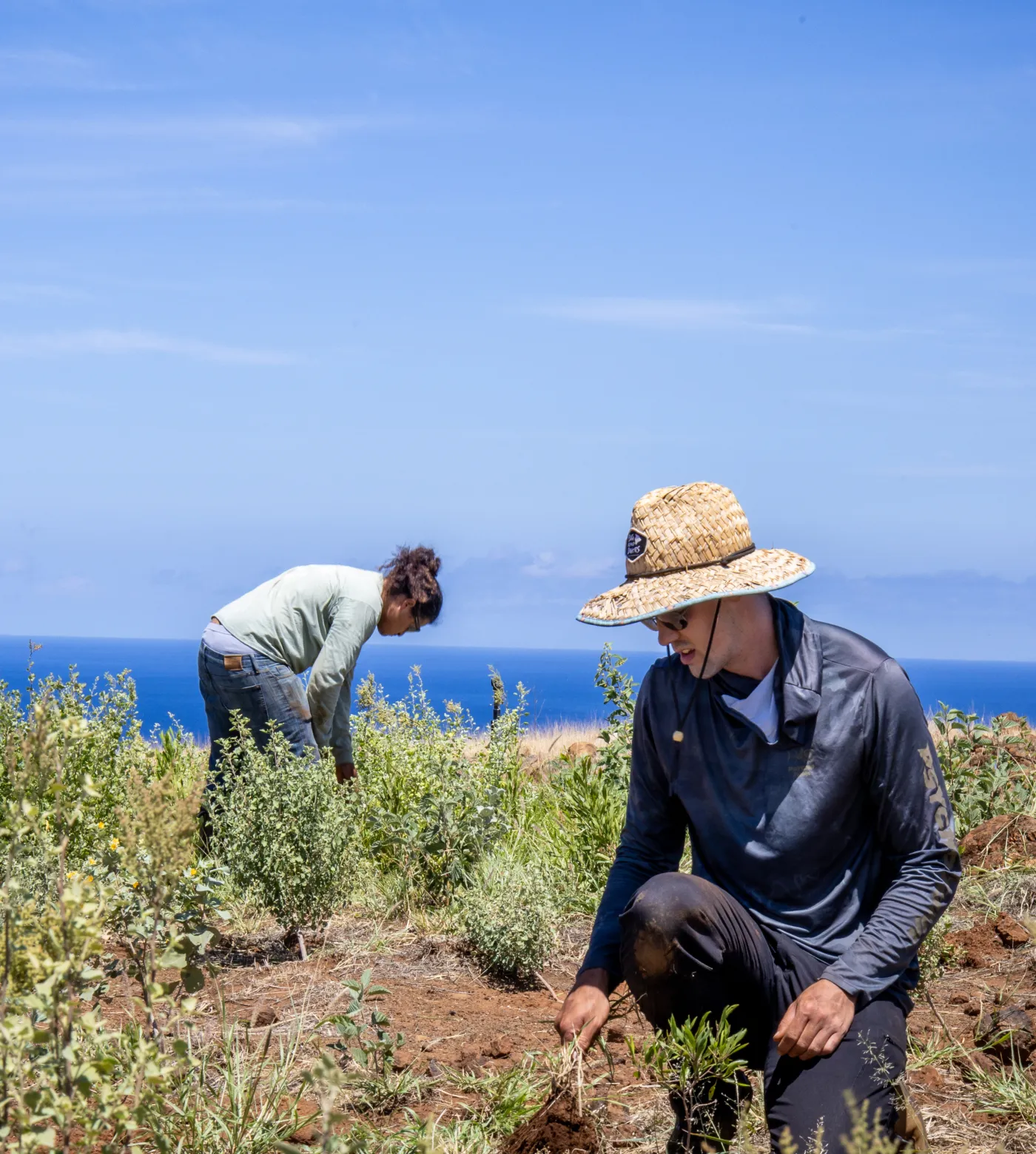
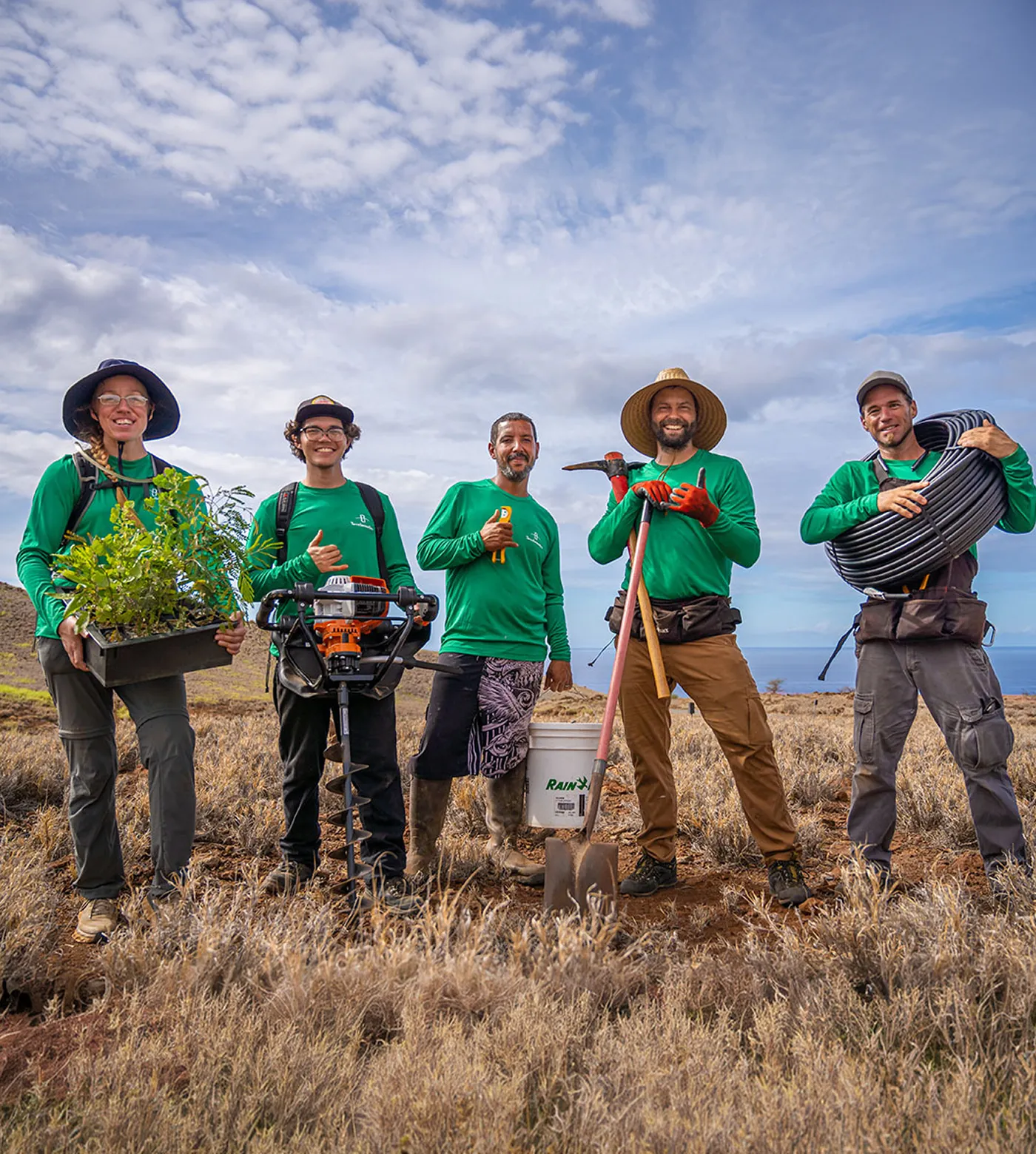
Terraformation began putting that idea to the test in Hawaiʻi. At Kaupalaoa* on Hawaiʻi Island, centuries of logging and cattle grazing had severely degraded a landscape once home to native tropical dry forest. Restoring it meant confronting difficult conditions: limited water, high winds, depleted soils, and a scarce supply of native seed. Work at Kaupalaoa and other sites across Hawaiʻi became a case study in solving practical restoration challenges. The experience reinforced a lesson that would shape Terraformation: restoring forests at scale requires building the systems that make it possible.
*Terraformation leaders made privately-owned land available for some of our earliest restoration experiments, now among our most advanced research sites.
Guiding principles shape how we work
VALUES SHAPED BY EXPERIENCE
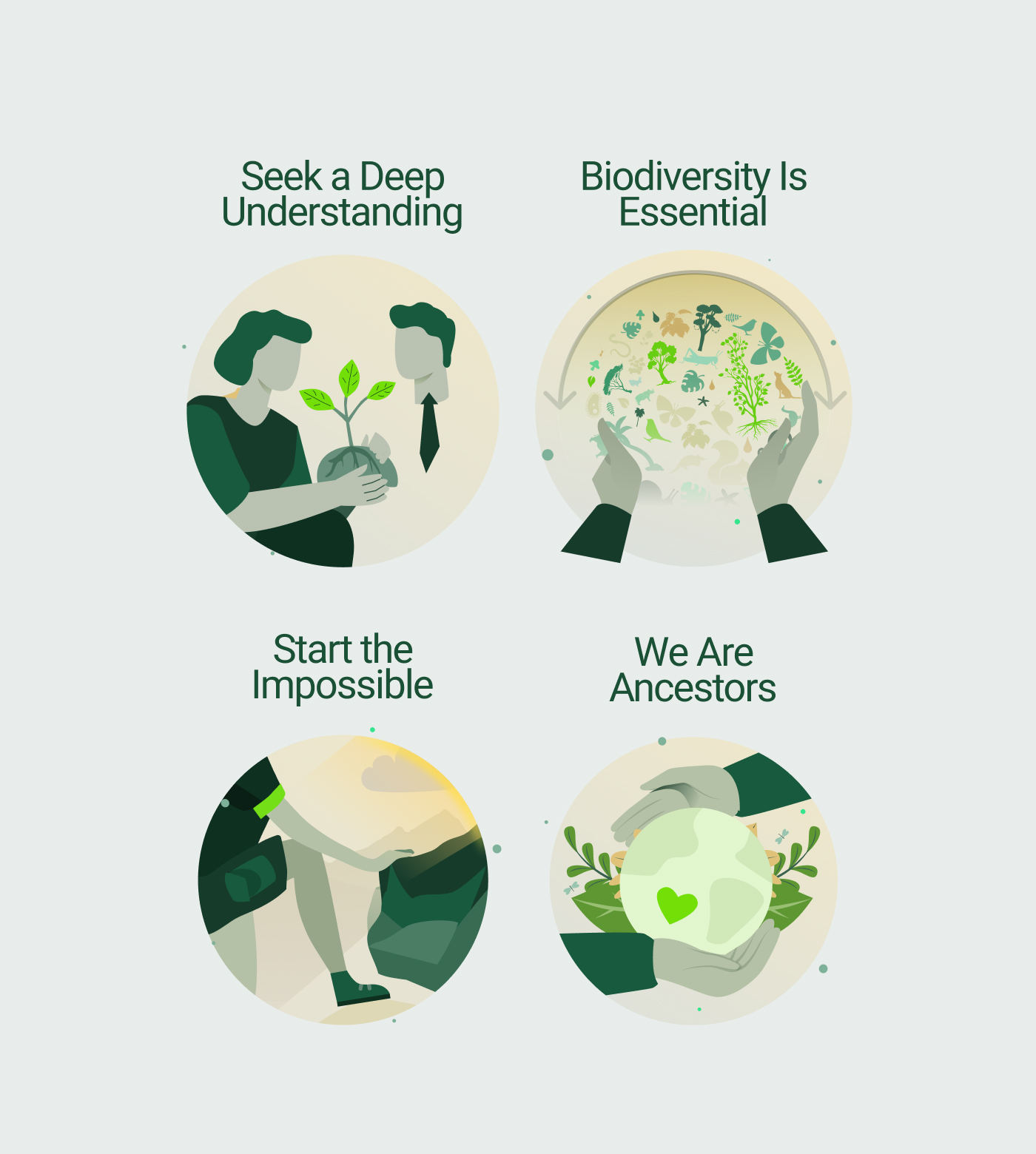
As the Terraformation team worked together to solve problems in complex living ecosystems, we developed a set of principles that guide how we approach our mission.
Building the foundation for native forests
EVERY FOREST STARTS WITH SEEDS
In our early work, we encountered a fundamental constraint: there weren’t enough seeds available to support native forest restoration projects. To ensure diverse, resilient seed stores, we developed expertise in collecting and processing seeds from native plants, and we designed and built off-grid seed banks that could operate in remote locations. We ultimately deployed 15 seed banks with restoration partners, and trained local teams to build their own seed supply. Today, that experience allows us to help partners build their seed bank capacity.
Training and tools to build capacity
EQUIPPING RESTORATION PARTNERS
In 2022, we interviewed 230 forestry organizations across 63 countries and found common challenges limiting their growth. Funding topped the list, followed by seeds and seedlings and team training. We created new ways to help organizations fill important gaps.
- Our Seed to Forest Accelerator works alongside local partners to help turn restoration ambitions into successful projects. The demand was far greater than we imagined, with nearly 900 organizations vying to work with our experts in biodiverse forests, nursery management, carbon project registration, and funding strategy.
- Terraware, our free forestry software platform, adds practical tools for managing seed collection, nurseries, planting, survival monitoring, and project reporting.
From restoration expertise to projects at scale
PUTTING IT ALL TOGETHER
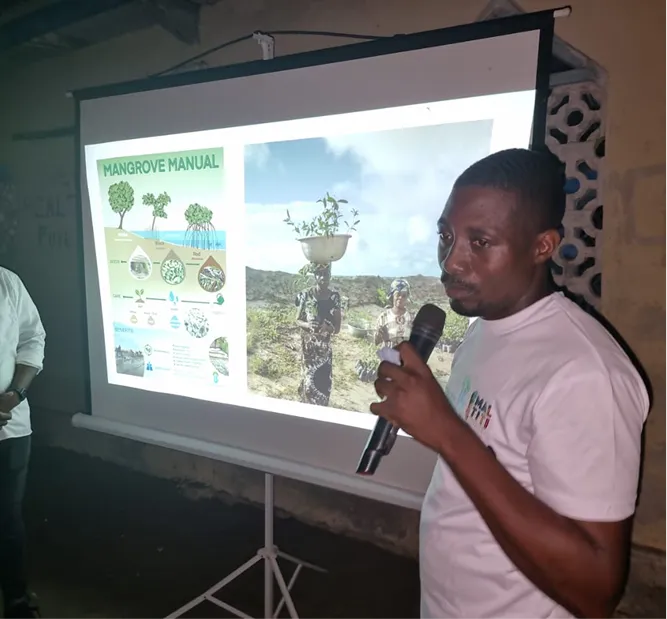
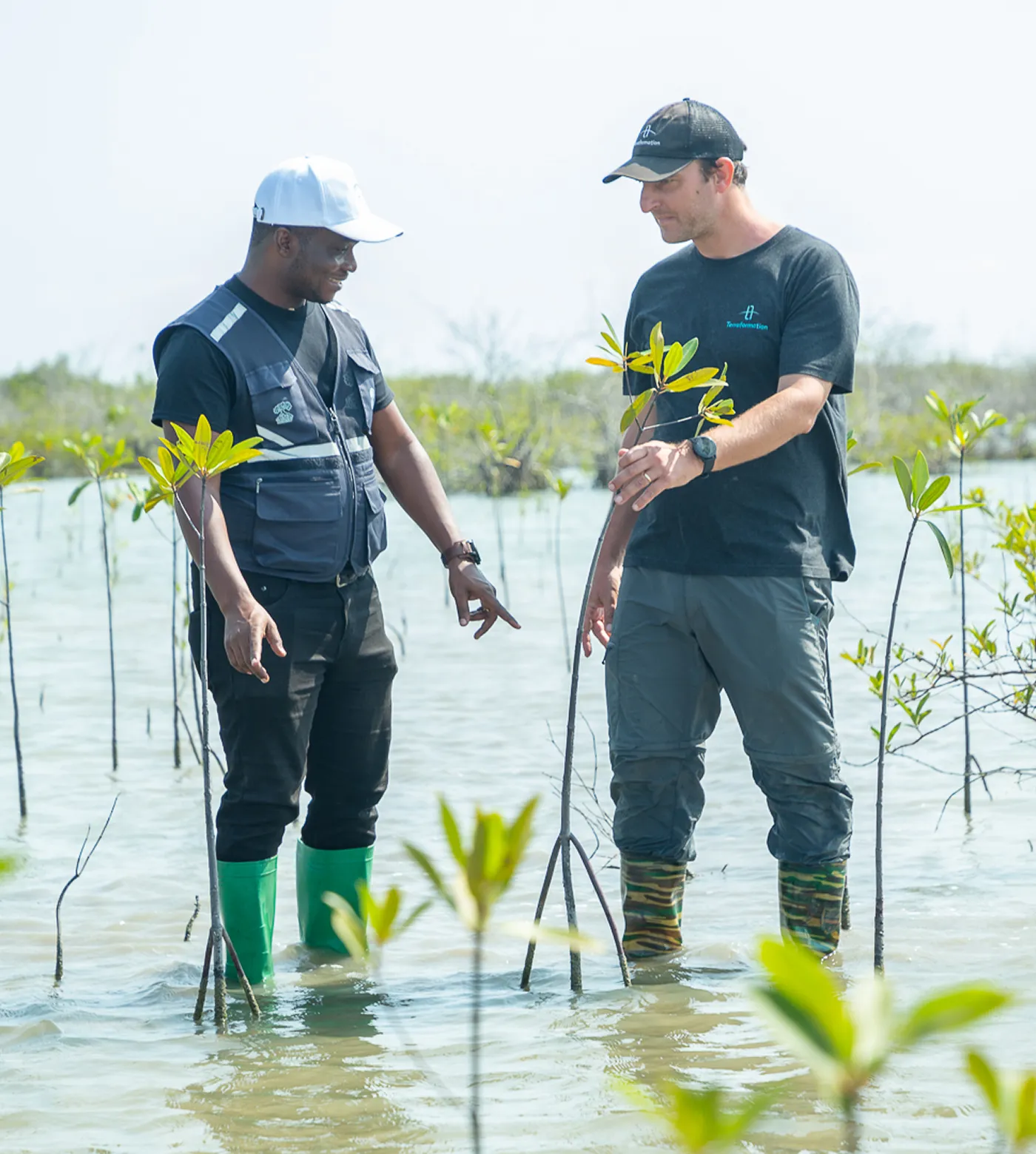
The next step was to put what we had learned into practice on native forest and mangrove projects in Colombia, Ghana, and Cameroon. These projects tested our approach across different landscapes and communities.
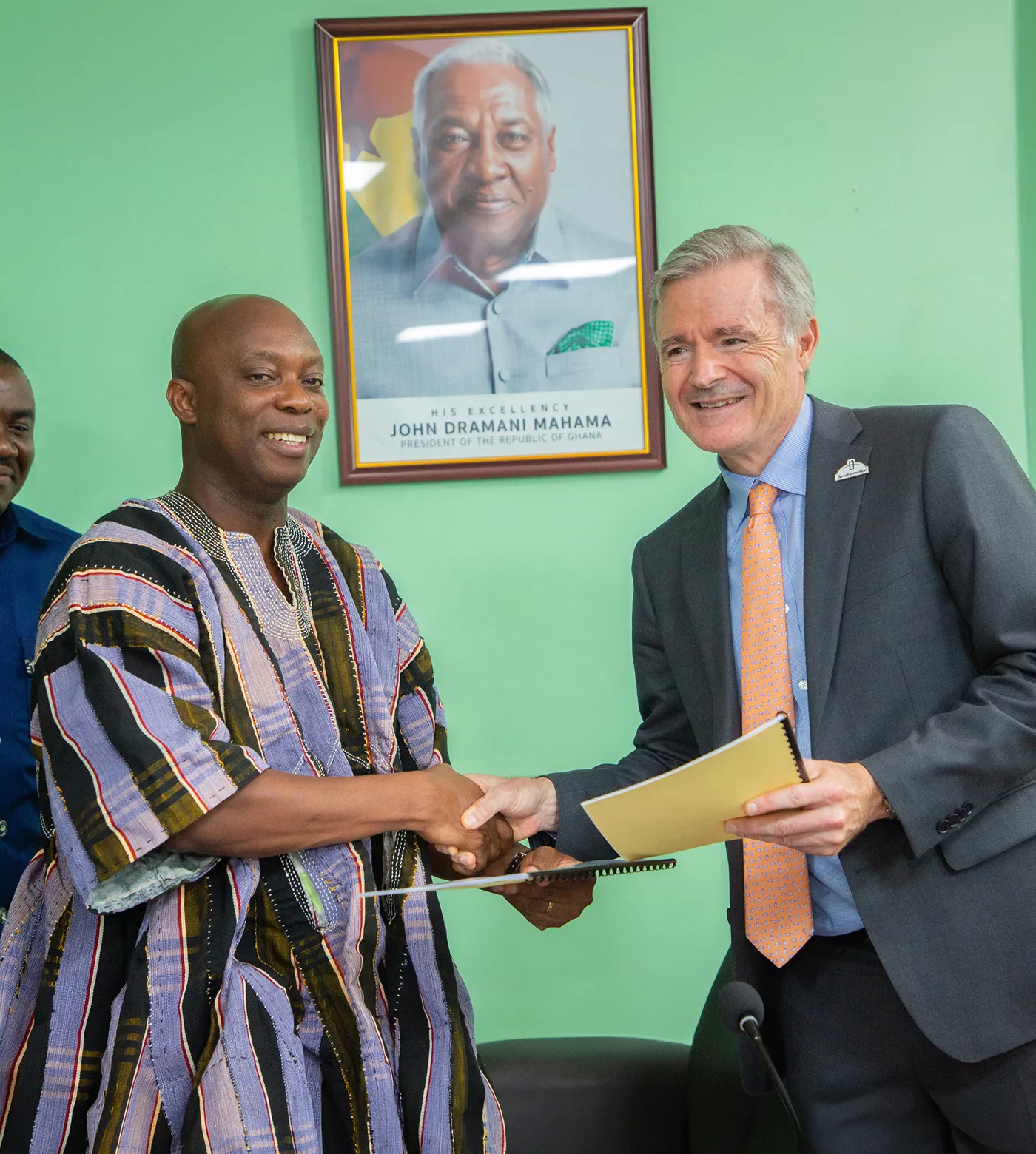
Our focus on excellence has earned independent validation: Sembrando Futuro 2.0 in Colombia and the Iroko Restoration Project in Cameroon each earned an A pre-issuance rating from Sylvera, with carbon accounting assessed as Very Low Risk. Sembrando Futuro and Keta Lagoon in Ghana have also attracted commercial finance backing, demonstrating that high-quality restoration can draw private capital while supporting people and planet.
Different stages need different capital
WHAT SCALE TAUGHT US
As we worked to finance restoration at scale, another lesson became clear: no single source of capital can meet every need. Philanthropic funding can take on early risks, support community needs, build local capacity, and prove what works, helping unlock commercial finance to take successful projects to scale. And where traditional finance may not fit, philanthropy can make restoration possible where the need for sustainable development is greatest.
Expanding what’s possible
OUR NEXT CHAPTER
Terraformation is a mission-first organization that brings together the best of nonprofit and commercial approaches to restore native forests at scale.
Our nonprofit work can build local capacity, advance innovation, share tools and knowledge, create momentum to move restoration forward, and support important landscapes that may never fit commercial finance.
Our commercial work develops high-integrity projects that can attract long-term investment and carbon finance, helping proven restoration efforts grow.
Together, the two models enable us to match the right kind of skills and capital to the right stage of the work — and expand what’s possible for global forest restoration.